AI-Powered Software Development at Deutsche Bahn
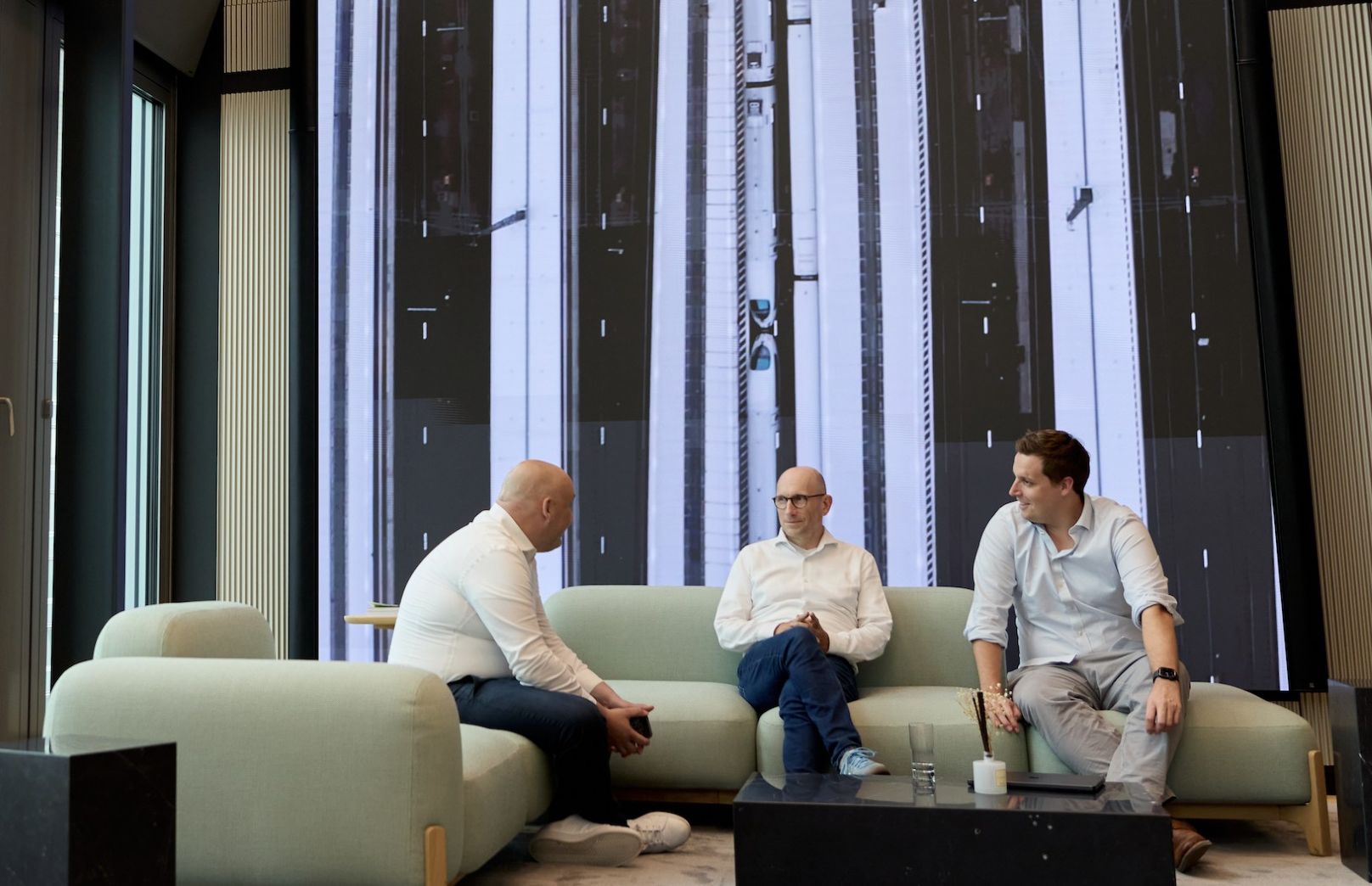
Deutsche Bahn partnered with BCG Platinion to test whether agentic AI-driven software development could meet enterprise-grade quality and security standards while radically compressing delivery timelines. The proving ground was the DB Navigator, Germany's most downloaded app, with more than 60 million downloads.
The Challenge
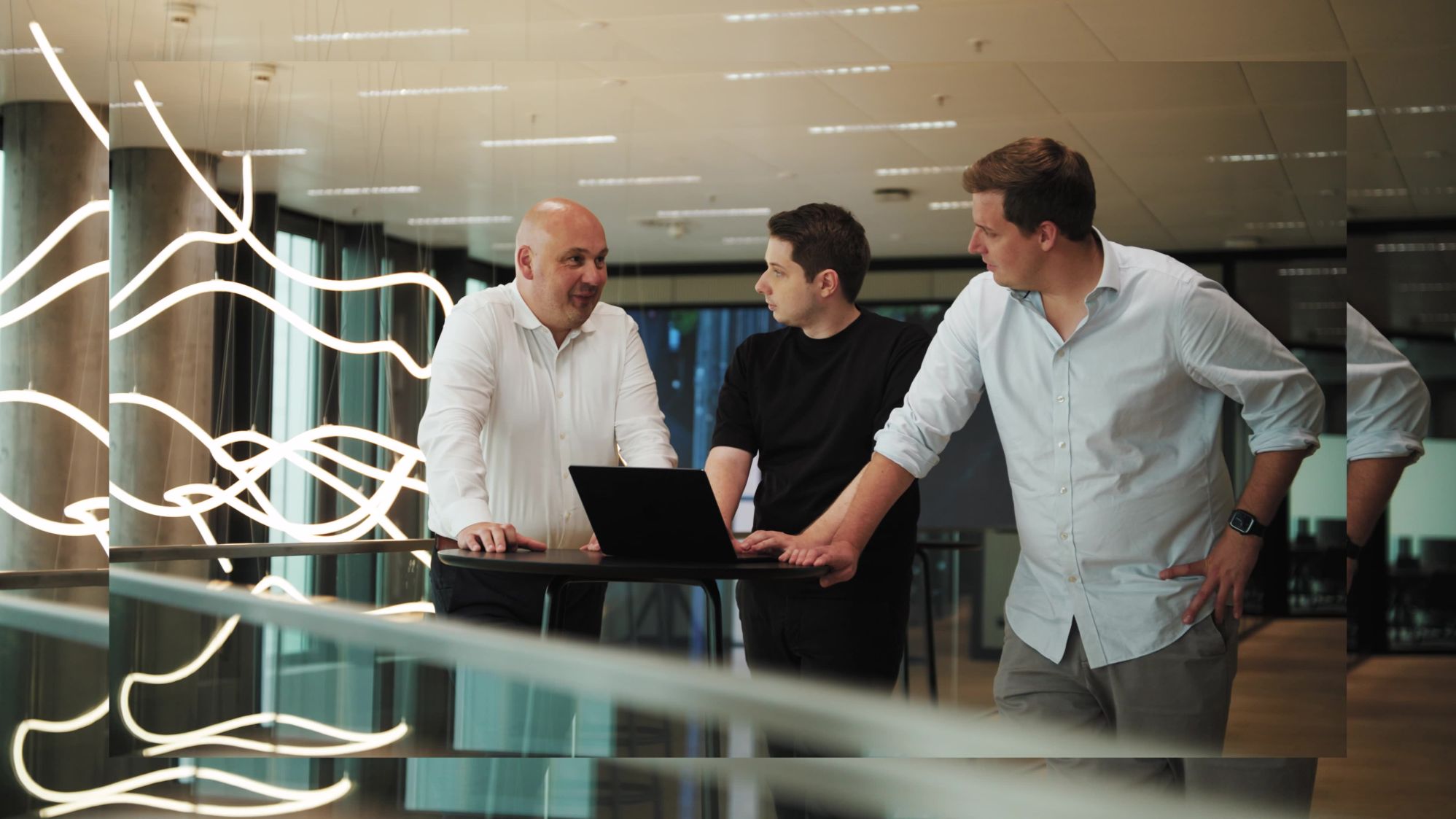
The DB Navigator connects millions of passengers to real-time journey information every day, from train punctuality to last-mile mobility options. Behind that simplicity lies real complexity: integrating multiple mobility data sources into a single, reliable experience. Under a conventional development approach, comparable work would typically require several months of product and architecture planning, followed by additional weeks of development.
Deutsche Bahn and BCG Platinion set out to test a fundamentally different way of building software, one in which AI agents drive the bulk of development rather than individual engineers alone.
"We wanted to know what is possible today, so we simply tried it."
Markus Mohr, Director at BCG Platinion
To hear directly from Deutsche Bahn and BCG Platinion leaders about the project, watch the client story below.
The Approach
To do this, Deutsche Bahn and BCG Platinion built an Agentic Software Factory. It is a framework for developing software at enterprise level, using AI agents across the full software development lifecycle. The Factory codifies each step of that lifecycle and automates the most labor-intensive parts of it, from planning through development, testing, and documentation.
Within this framework, teams set the goals; AI agents build. People remain responsible for reviewing and approving the quality of what's delivered, with clear guardrails defining what agents can and cannot do on their own. In a regulated environment like rail, that division of labor is what makes the approach viable: agents build fast, while humans stay accountable.
The Outcome
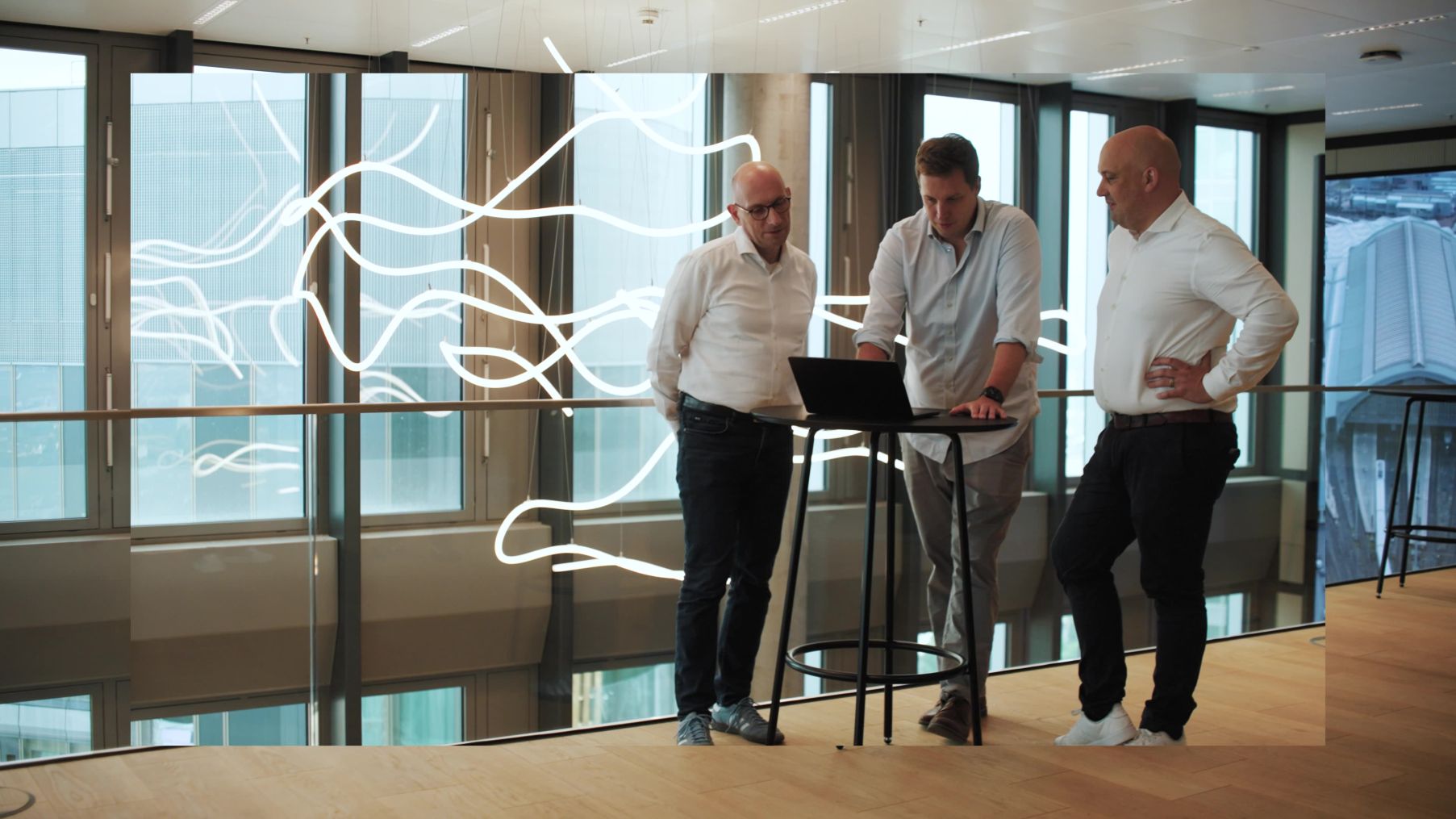
Using the Agentic Software Factory, the team rebuilt the core functionality of the DB Navigator, including journey search, station departure boards, and live data drawn directly from Deutsche Bahn's backend. Cybersecurity requirements were built in from the start, and the entire rebuild took a fraction of the time a conventional build would require.
The project validated that:
- AI-agent-driven development can meet enterprise-grade quality and IT-security standards, not just prototype-level output
- Prototypes can move toward production-ready solutions in days, not months
- A structured, human-governed framework, rather than unstructured "vibe coding", is what makes agentic development viable in a regulated environment
Based on these results, Deutsche Bahn and BCG Platinion see the Agentic Software Factory as a first step toward a broader shift in how software is built. The two organizations are now defining how to bring the framework into Deutsche Bahn's IT environment, step by step.
Meet our Experts



More to Explore
Driving value creation through product-tech decentralization
BCG and BCG Platinion helped a leading pan-European digital platform group execute one of the most complex technology separations in recent European history by decentralizing the product-tech platform and R&D team capabilities.

How Diageo Reset a Global ERP Transformation While Keeping the Business Moving
Modernising the ERP backbone of a global consumer business is not simply a technology migration. Orders still need to flow, products still need to move, markets still need to operate, and the financial close still needs to happen.
Making ERP Transformations Succeed: Why the Reset Is Only Half the Job
BCG Platinion led the reset of a leading global enterprise's struggling ERP transformation, closing the gap between ambition and delivery capacity while rebuilding the discipline and business readiness needed to bring the reset to reality.
.jpg)