Reflections from EurHackNL 2026
-edited.jpg)
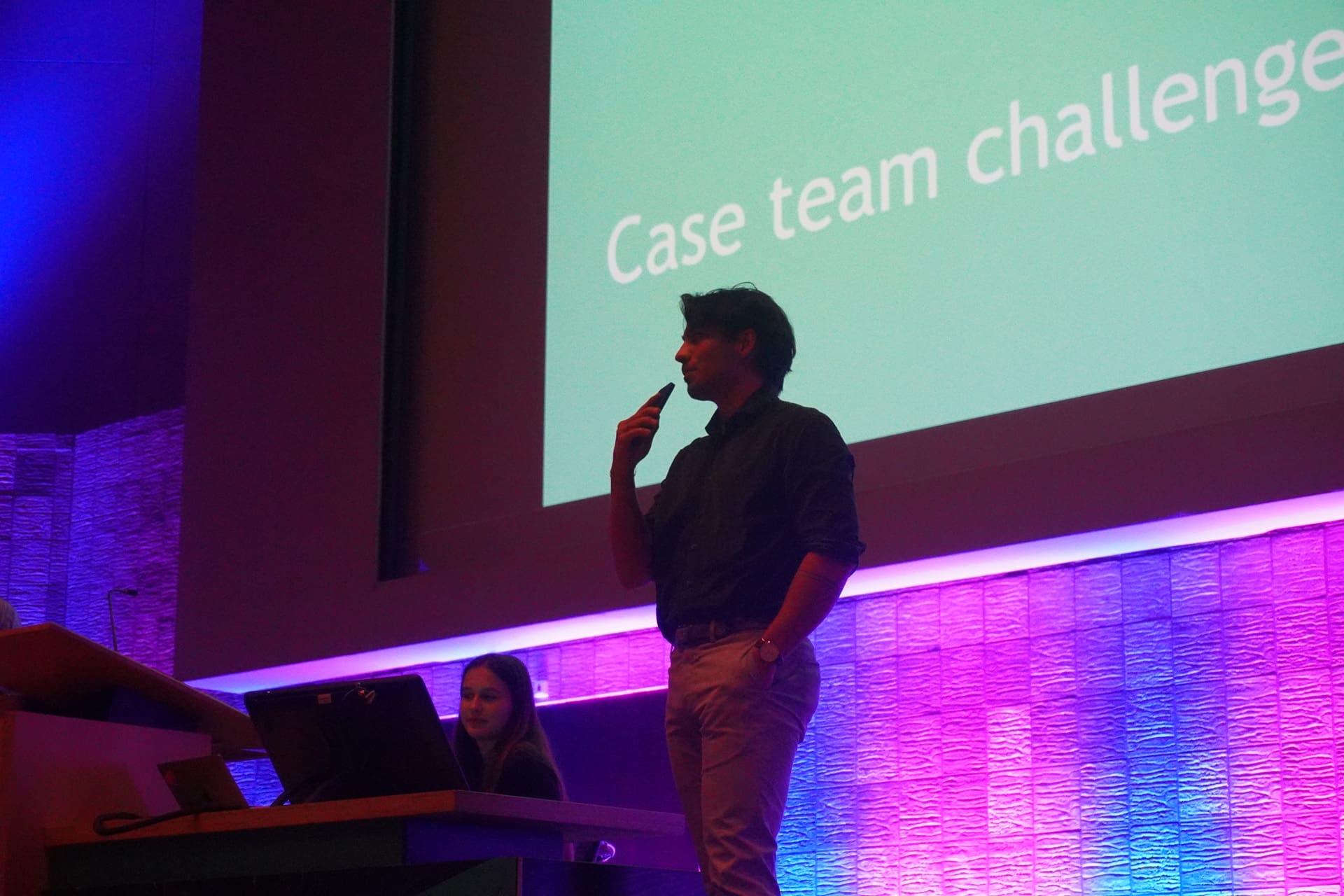
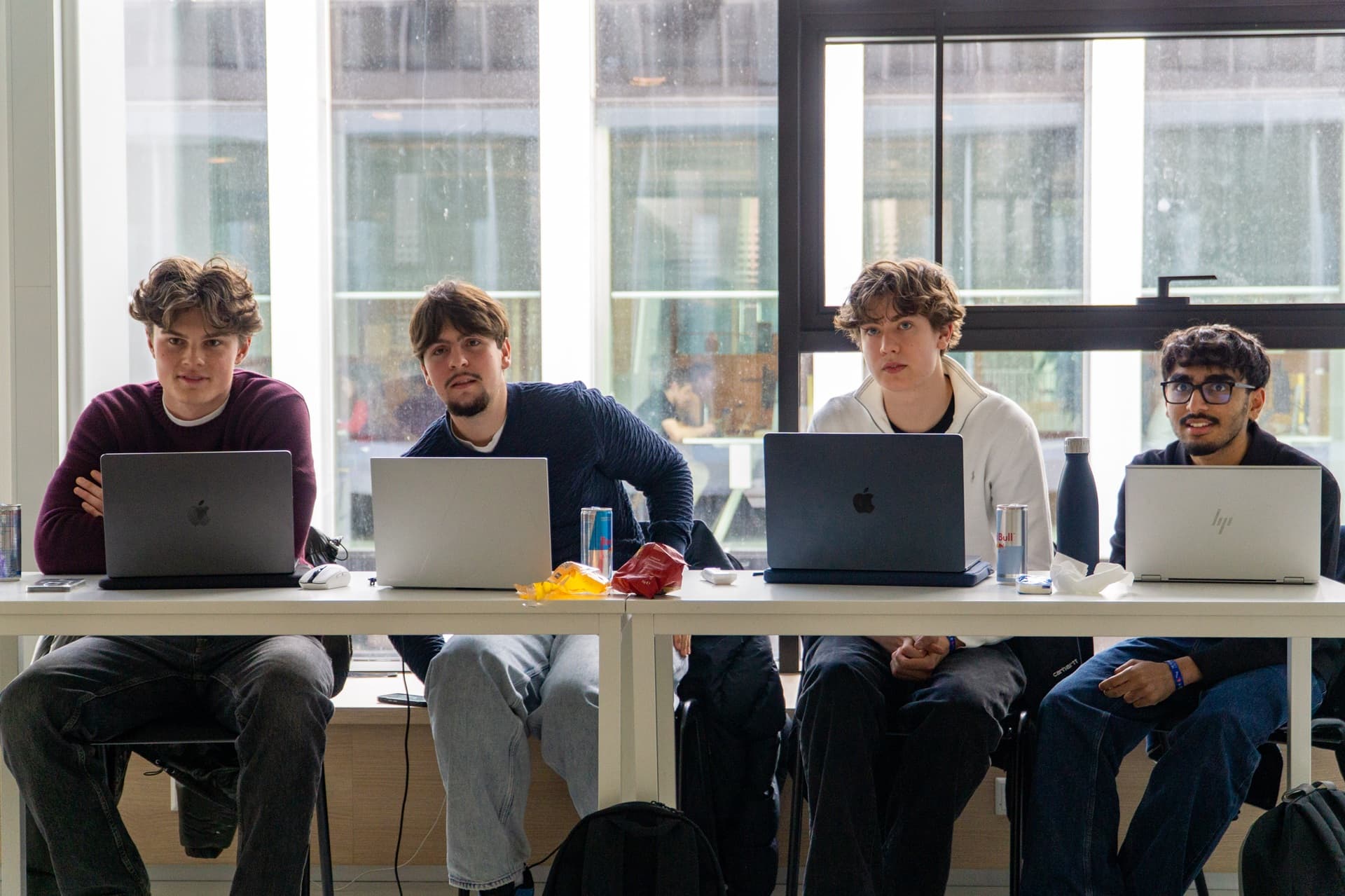
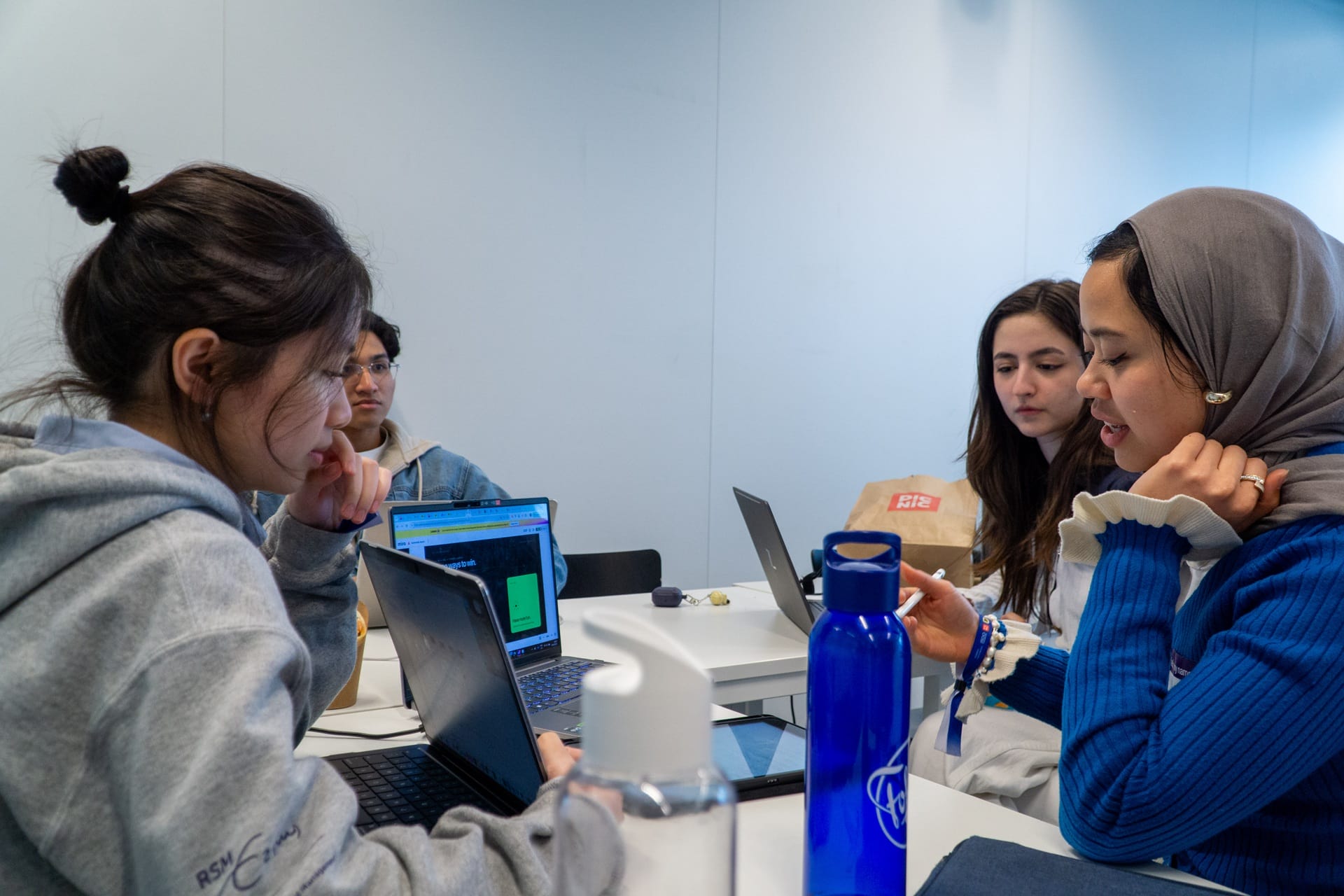
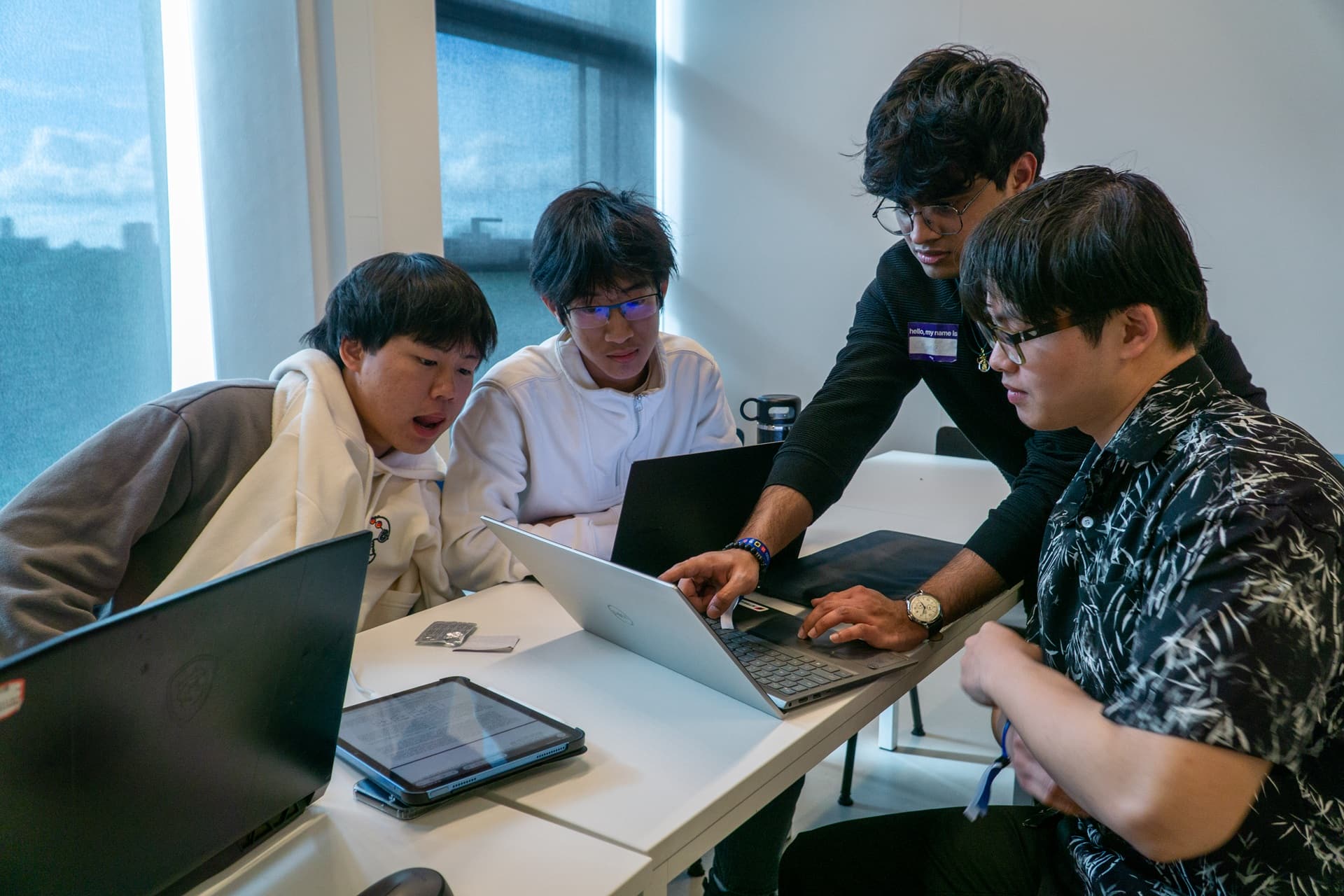
More than 400 participants from 45+ universities gathered at Erasmus University Rotterdam for EurHackNL 2026, the largest student AI hackathon in the Netherlands. Over two days, teams built prototypes to address real-world challenges across four AI tracks: Events, Business, Finance, and Bring Your Own Idea.
Our colleagues from BCG Platinion and BCG X joined as mentors and judges, leaving with plenty to think about. Sankalp Shukla, Principal at BCG Platinion, shares his reflections from serving on the jury for the AI in Business track that focused on one of the most complex societal challenges facing cities in the Netherlands today: how AI can help address loneliness.
By the end of the second day, the solutions had moved from build mode to the stage. One team presented a working web application — authentication, payments, a live ledger built in just fourteen hours. What would have filled a roadmap slide a few years ago had become a functioning product experience. The distinction that mattered most was between demoable and shippable ideas. A demo-ready prototype tells a story. A shippable one survives the next user. Several teams crossed that line within 48 hours.
“I have been in enterprise teams that take a quarter to ship what these students shipped in a weekend. The gap is not talent. It is permission.”
Across the event, the pace of delivery was striking. More revealing was where students chose to apply AI. One team built voice-first onboarding that listens for 90 seconds, identifies a person's interests, and deletes the audio — GDPR as architecture, not a checkbox. Another designed every interaction to avoid labeling the user as "lonely", recognizing that the label itself can entrench the condition, not solve it.
“Every team in our track could have built a chatbot in three hours. None of them did. That choice is the whole story.”
The same pattern appeared in the Bring Your Own Idea track. Students applied AI to public safety, digital wellbeing, attention, and accountability. Concepts included real-time public safety intelligence, an NFC-based phone-addiction intervention, and a social accountability tool built around pacts, such as “stop doomscrolling at 2 a.m.” and “no phone in the bedroom”.
Two takeaways stood out.
- The speed barrier has shifted. What used to take months of development can now be built, tested, and demonstrated in days. The bottleneck is no longer engineering capacity. It is clarity: what problem to solve, where to start, and what to deliberately leave out.
- The sharpest teams went narrow on purpose. Nobody pitched "ending loneliness". They pitched 90 seconds of voice input and an automatic deletion. Nobody pitched "rethinking public safety". They pitched a feed that scores posts and surfaces anything above a threshold. Most innovation portfolios would benefit from the same discipline: not trying to solve everything, but having a sharp, narrow problem worth winning.
If you are wondering whether Europe can build, spend a weekend in a room like this. You will stop wondering.
EurHackNL 2026 showed what becomes possible when technical capability, responsible design, and human-centered problem solving come together.
Huge thanks to the EurHackNL team, the students who worked through the challenge, and the colleagues from BCG Platinion and BCG X who joined as mentors, judges, and learners.