This is a draft version! Do not share the link externally!
Reflections from Thea
-edited.jpg)
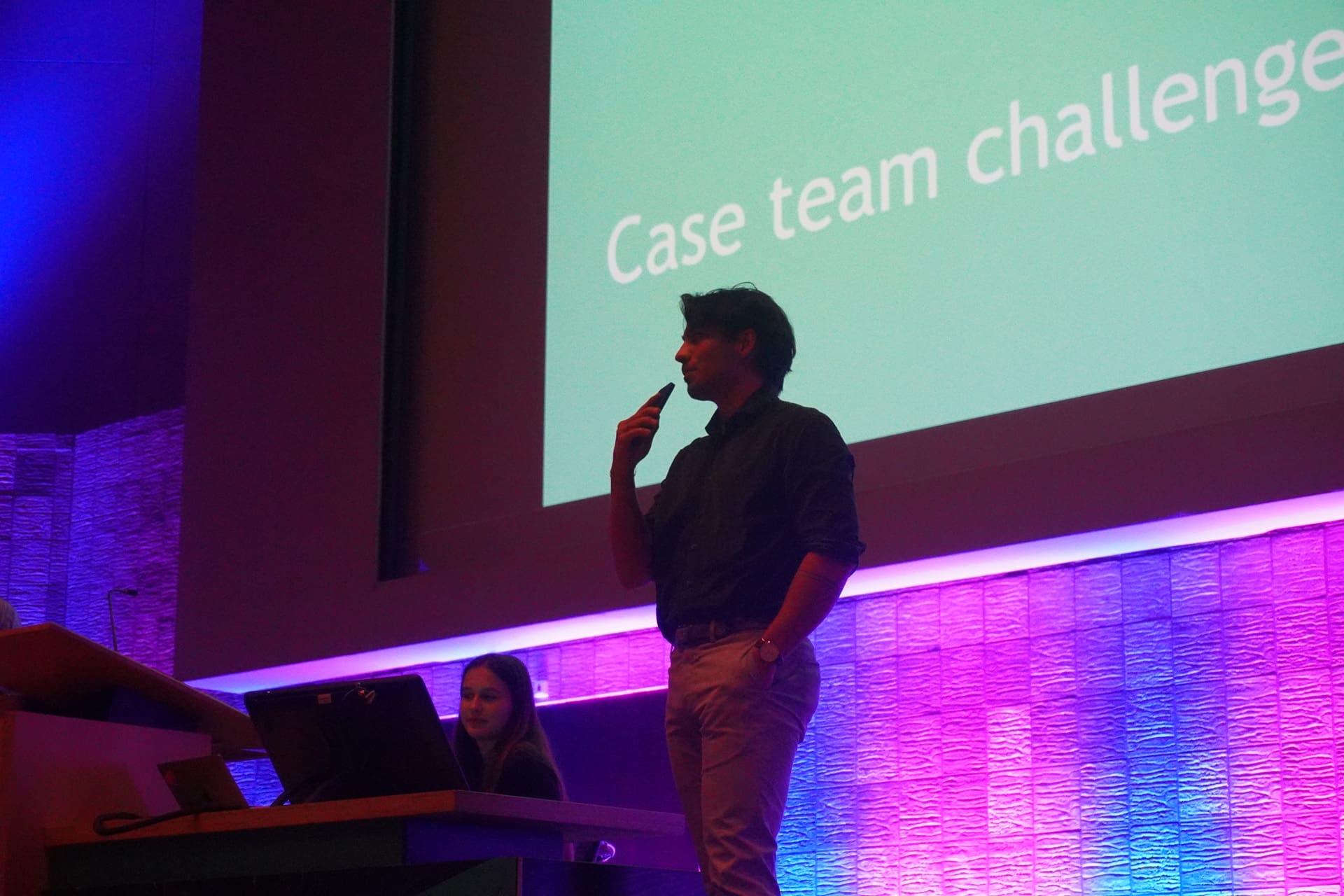
every year, BCG Platinion gets to witness the work of XX students during it's annual hackahton.
something about Ethel and how she was a part participants. now she is a in the xx office. Read about her experiences during last years hackahton.
When my sister told me to apply for the BCG PlatinionHackathon, her main argument was simple: "You'll have fun." At first,I was unsure. Coming from a Cognitive Science background—a mix of psychologyand computer science with a focus on AI—I expected to be surrounded by peoplewith much stronger technical expertise. I thought I would spend the weekendcompletely overwhelmed, trying to keep up while learning as much as possible.What I didn't expect was how quickly I would feel like part of the team.
“The Hackathon wasn't about proving that you knew everything—it was about learning together and building something meaningful."
Our team developed an application that distributed AIworkloads across data centers based on the availability of renewable energy ateach location. We even used Raspberry Pis and sensors to simulate the system.Since we didn't have a dedicated frontend developer, I volunteered to build theuser interface. I spent time teaching myself frontend development and createdthe application's interface, including the AI chatbot through which promptswere distributed.
Beyond the technical work, I also learned how importantcollaboration is. During the first few hours, our team was still figuring outhow to work together. Everyone had just come out of university and wasadjusting to collaborating in a fast-paced environment. I made a consciouseffort to connect with everyone, understand what they were working on, andoffer support wherever I could. Looking back, I believe that mindset—along withour second-place finish—played an important role in receiving the internship offer.
Due to my university schedule, my internship had to bepostponed by almost a year and a half, and then again by a few additionalmonths. I was incredibly grateful that everyone involved was so understandingand flexible, allowing me to join when the timing finally worked.
Today, not much has changed from what I experienced duringthe Hackathon. I still work in a highly motivated team that challenges andsupports me every day. My work involves client meetings, workshops, and, ofcourse, plenty of PowerPoint and Excel. The workload is demanding, but I alwaysfeel valued, trusted, and treated as an equal. Most importantly, there isn't asingle day where we don't end up laughing until we have tears in our eyes.

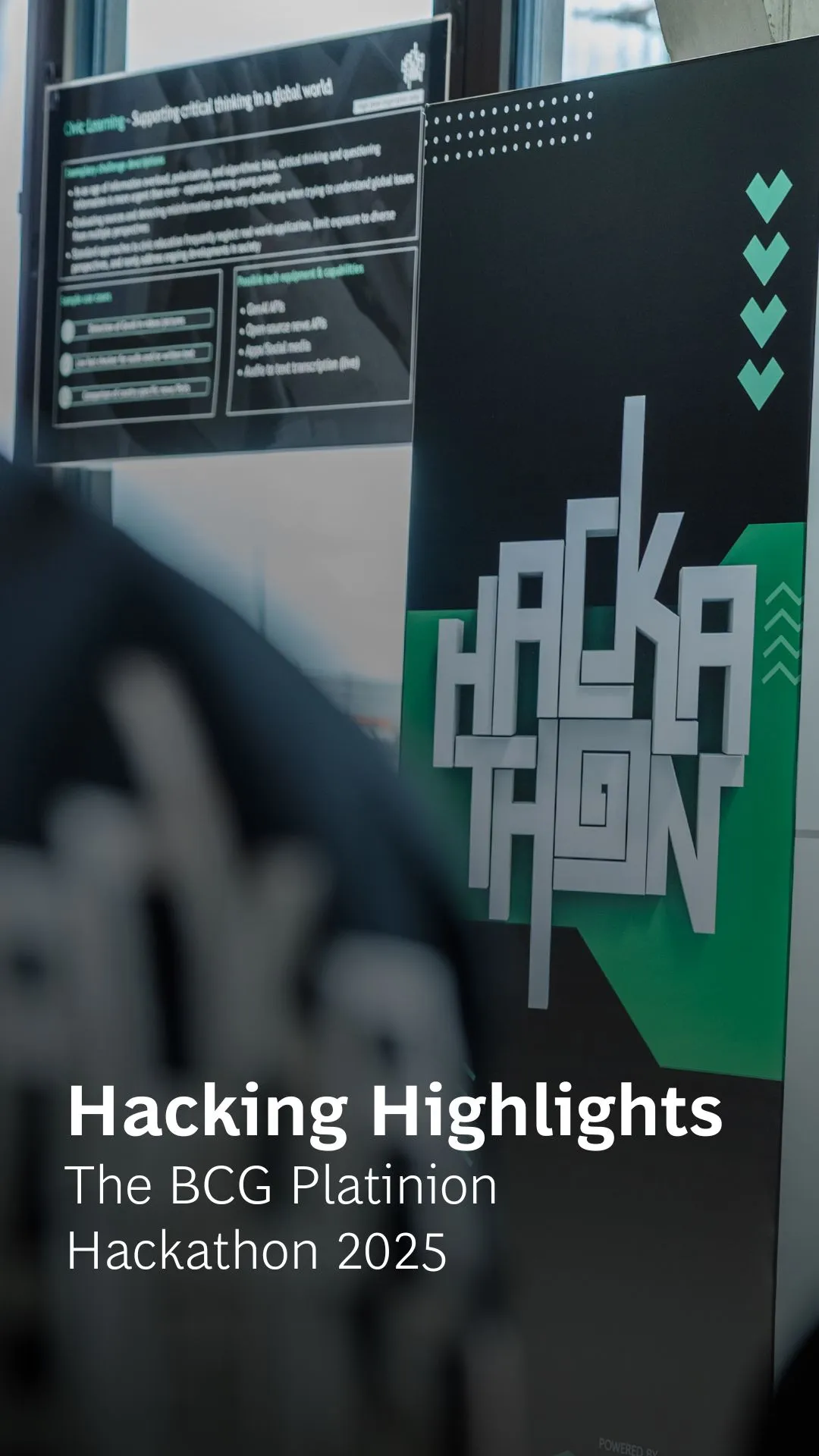
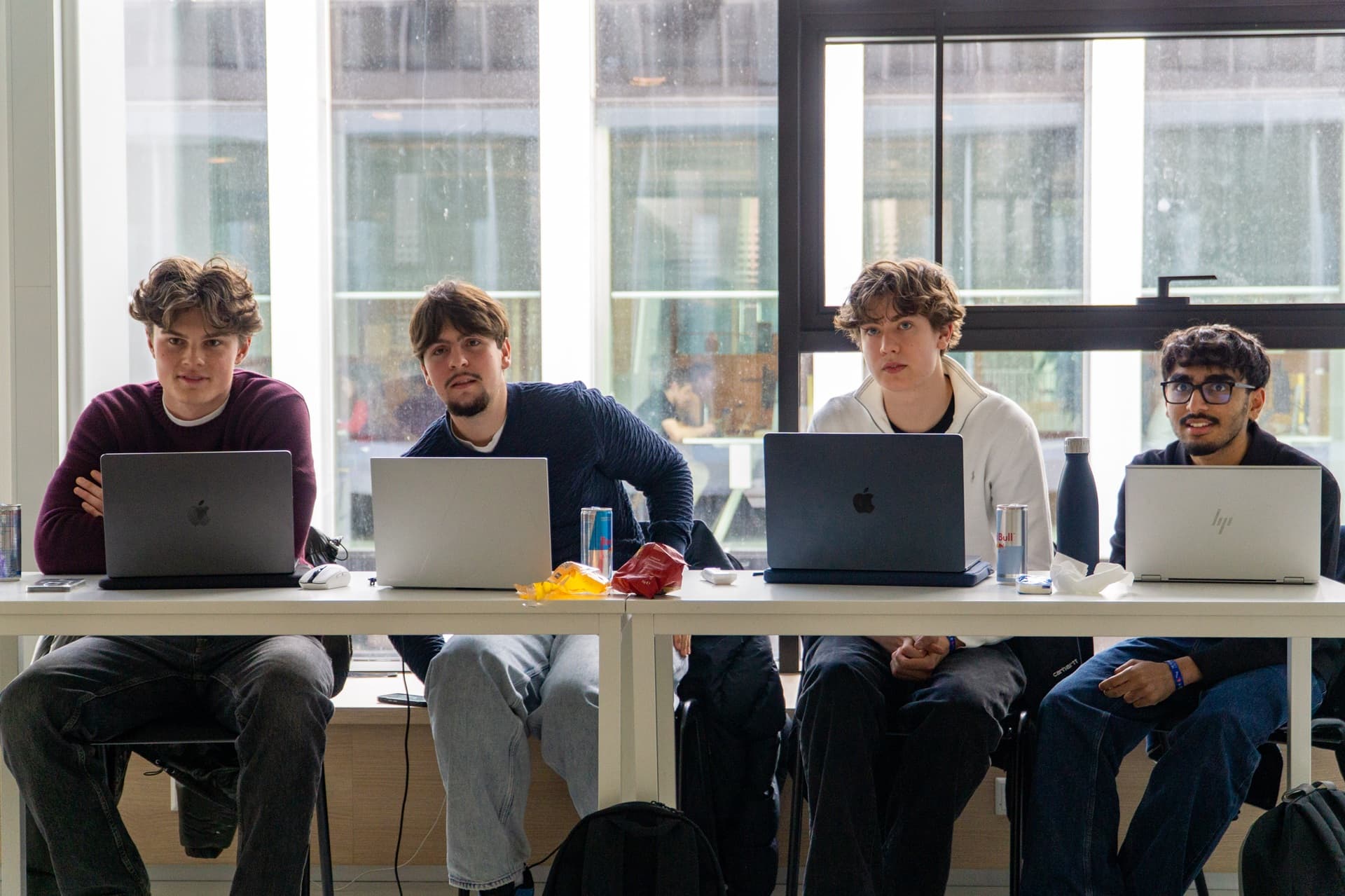
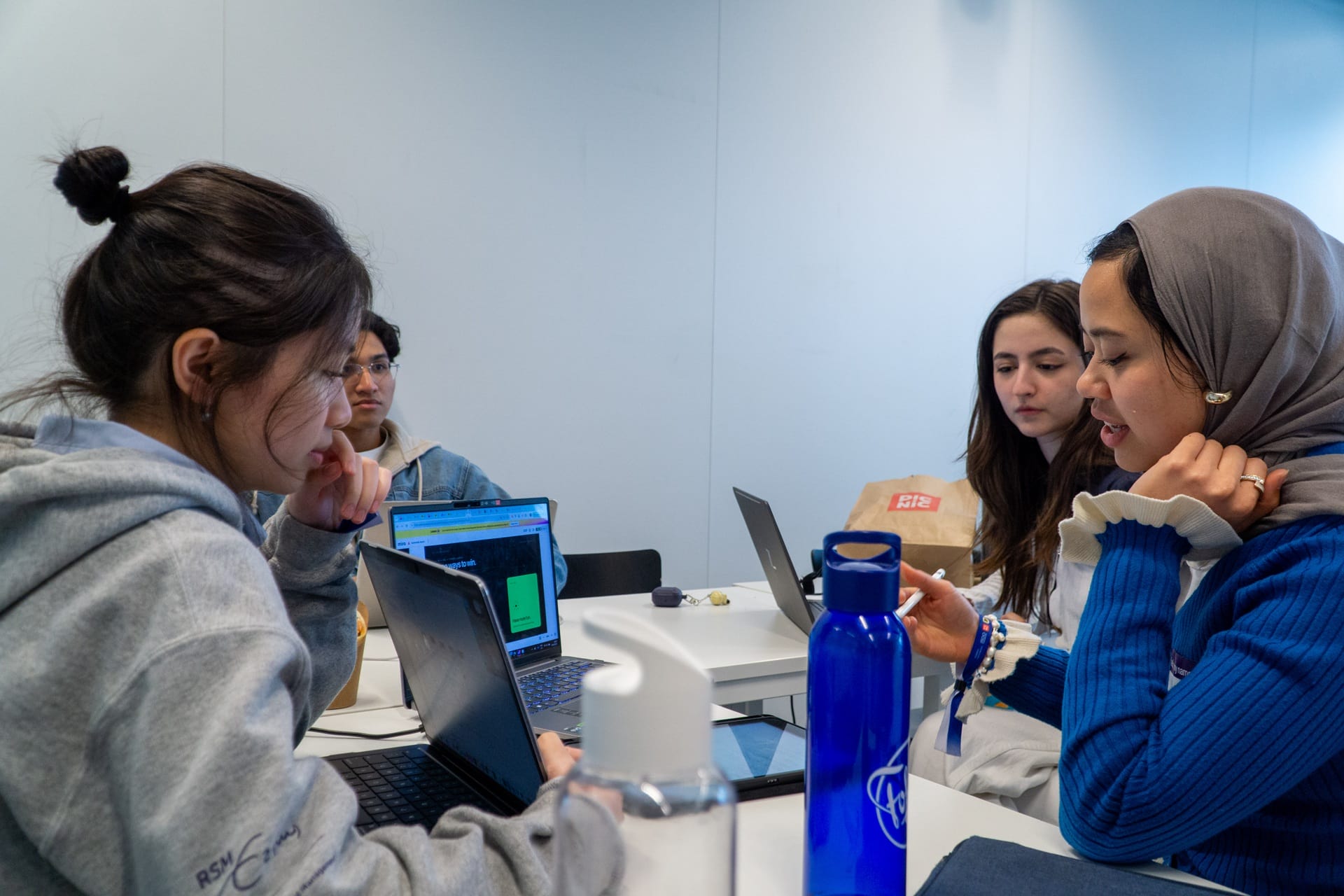
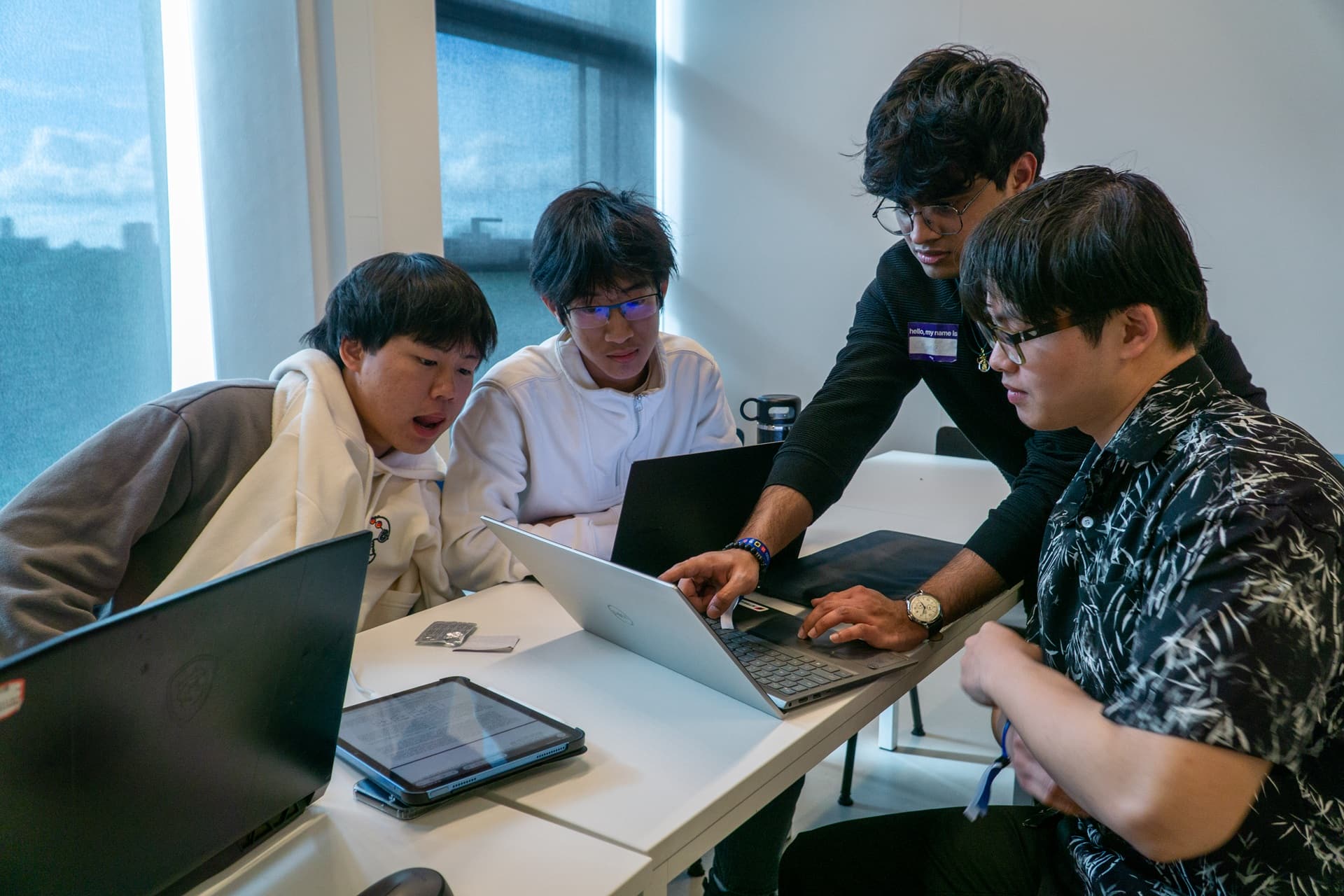
Two takeaways stood out.
- The speed barrier has shifted. What used to take months of development can now be built, tested, and demonstrated in days. The bottleneck is no longer engineering capacity. It is clarity: what problem to solve, where to start, and what to deliberately leave out.
- The sharpest teams went narrow on purpose. Nobody pitched "ending loneliness". They pitched 90 seconds of voice input and an automatic deletion. Nobody pitched "rethinking public safety". They pitched a feed that scores posts and surfaces anything above a threshold. Most innovation portfolios would benefit from the same discipline: not trying to solve everything, but having a sharp, narrow problem worth winning.
If you are wondering whether Europe can build — spend a weekend in a room like this. You will stop wondering.
EurHackNL 2026 showed what becomes possible when technical capability, responsible design, and human-centered problem solving come together.
Huge thanks to the EurHackNL team, the students who worked through the challenge, and the colleagues from BCG Platinion and BCG X who joined as mentors, judges, and learners.
Featured