Four Perspectives on Inclusive Leadership

To mark International Women’s Day 2026, four BCG Platinion consultants share personal reflections on women in tech, allyship, sponsorship, and how inclusive leadership drives better outcomes in technology consulting.

On International Women’s Day, we celebrate progress – but we also reflect on how that progress actually happens. In technology consulting, impact isn’t built through expertise alone. It’s shaped by who gets heard, who gets sponsored, who is encouraged to lead, and how consciously we design environments where different voices can thrive.

In this collection of stories, four BCG Platinion leaders share their personal experiences in tech: from redefining leadership beyond deliverables, to moving from proving credibility to creating space for others, to practicing practical allyship in architecture rooms, to closing the “mic gap” that too often determines whose expertise is recognized.

Together, their reflections bring this year’s theme, Give to Gain, to life – showing that inclusive leadership isn’t symbolic. It’s strategic. And it’s everyone’s responsibility, year-round.

More Than Spreadsheets

When people hear tech consulting, they often picture Excel sheets, PowerPoint slides, and strategy workshops. And yes, those are part of the job.

But the real work is not about spreadsheets or visuals. It is about impact.

A strong presentation is not defined by design. It is defined by clarity. By the strength of its thinking. By whether it helps people move forward with confidence. Our job is to turn complexity into direction and direction into action.

Performance and Humanity

On International Women’s Day, I reflect not only on what we deliver, but on how we lead while delivering it.

Leadership in consulting can easily become transactional. Tight timelines. High expectations. Clear outputs. But the best leaders understand that performance and humanity are not opposites. They reinforce each other.

In my experience, many women in tech bring a powerful balance of ambition and long-term thinking about people. Mentoring. Developing. Paying attention to who is growing and who might be left behind. That perspective strengthens teams. It builds confidence. It creates resilience.

Give to Gain

This year’s theme, Give to Gain, captures something I have seen repeatedly. When we invest in people, we gain stronger results. When we share credit, we gain trust. When we mentor intentionally, we gain future leaders. Giving is not a soft skill. It is a performance strategy.

I still think about former team members long after projects close. Are they progressing? Are they confident? Are they stepping into bigger challenges? For me, leadership does not end with the final slide. It shows up in the long-term trajectory of the people around you.

Redefining Success

The strongest teams I have worked with are diverse in thought and style. They challenge ideas openly. They encourage ownership before someone feels fully ready. They operate on merit and contribution, not assumptions.

There is one thing that should no longer be questioned: women belong in IT. Not as a headline. Not as a special initiative. Simply as a fact.

International Women’s Day is both recognition and reminder. Progress is not built through statements alone. It is built through daily decisions about how we lead, how we support, and how we define success.

Because in the end, impact is not only what we deliver to clients. It is what we build in people.
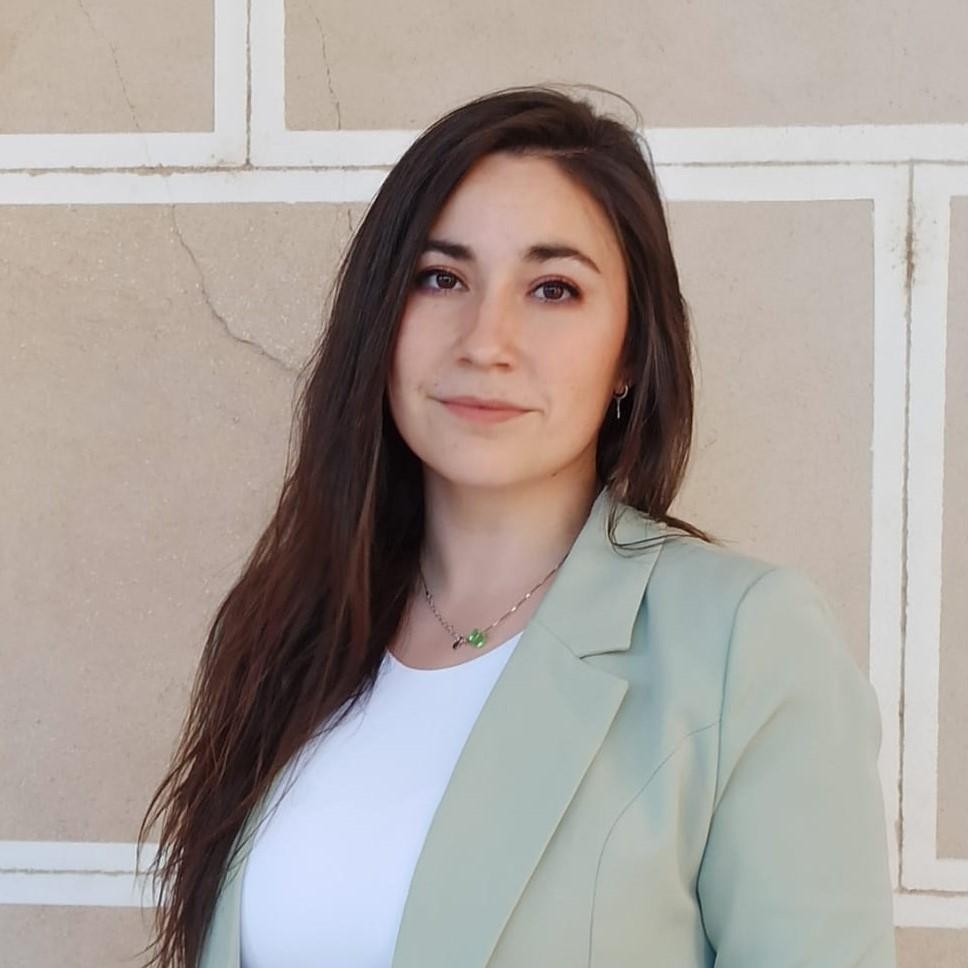
When I first entered tech consulting, I believed credibility was something you had to earn every single day — sometimes in every single meeting.

I didn’t grow up aspiring to lead complex ERP transformations. And stepping into rooms filled with experienced architects and confident voices, I often felt the pressure to prove that I belonged.

So, I did what many early-career consultants do.

  • I overprepared.
  • I mastered the details.
  • I spoke when I was certain — and stayed quiet when I wasn’t.

At the time, I equated leadership with technical perfection. With having the answer. With minimizing visible uncertainty.

But as I progressed, my perspective shifted.

The leaders who created the greatest impact weren’t those proving themselves the loudest. They were the ones shaping environments where others could perform at their best.

They invited perspectives before making decisions.

They amplified quieter voices.

They advocated for people who weren’t in the room.

They turned individual expertise into collective strength.

Owning my space no longer meant defending it. It meant expanding it — intentionally.

In tech consulting, where ambiguity is high and pressure is constant, inclusive leadership isn’t symbolic. It’s strategic.

Complex transformations don’t succeed on expertise alone.

They succeed on alignment.

On trust.

On psychological safety that enables people to challenge assumptions early — before small risks become large consequences.

Collective confidence scales faster than individual brilliance.

That’s why Give to Gain resonates deeply with me.

When we mentor intentionally, sponsor visibly, and create opportunities for others to grow, we are not diluting our own impact. We are multiplying it.

International Women’s Day is a moment for reflection. For me, it is also a reminder that progress in tech is not only about representation. It is about how we lead once we are in the room — and how consciously we use that space to create space for others.

Building Things That Work

As a child, my dream job was simply to build things that work and make life better. In many ways, that is still what IT architecture is about. Designing systems that hold under pressure, evolve with change, and ultimately serve people.

International Women’s Day feels like a good moment to put words to what my day-to-day in tech actually feels like.

It’s fast. It’s demanding. It’s deeply collaborative. And it’s far more human than people assume.

Behind every system or architecture diagram there are real trade-offs, real pressure, real accountability. A constant need to translate complexity into something others can trust and build on. Good tech leadership is not about having all the answers. It is about creating clarity, asking better questions early, and making decisions that keep teams moving without leaving hidden messes for someone else to clean up later.


The Patterns We Notice

I remember the first time it really clicked for me that career progression is not experienced the same way across genders.

It was not dramatic. No big confrontation. Just small patterns. Who got credited. Who got interrupted. Whose potential was assumed. And who had to prove theirs again and again.

It was subtle. And that is exactly why it stayed with me.

Since then, I have tried to be more intentional about how I show up. Making room in conversations. Giving credit in the room, not just afterwards. Backing talent with real opportunities, not just encouragement. Because visibility is currency, and sponsorship changes trajectories.


Why Diverse Teams Build Better

I genuinely love working in diverse and women-led teams. The quality of decision making goes up. Different perspectives surface risks earlier. Communication gets sharper. The work connects more naturally to outcomes that matter, not just outputs that look impressive.

At the same time, we cannot pretend the barriers are gone. Many of them sit in the unspoken layer. How networks form. How sponsorship works. How confidence is read as competence, or not.

One structural challenge we rarely name openly is the “always on” career model in tech. Paths are often designed around constant availability, quietly penalizing anyone who needs real flexibility, especially around caregiving or family life. Flexibility is treated as an exception rather than a normal part of a sustainable career.

If real progress means anything, it should include equal access to high impact work, equal sponsorship into leadership, and environments built to support people through different life seasons rather than filter them out.


Making Space in Practice

I have seen how quickly things shift when someone actively creates space for your voice. A leader redirecting the conversation back to your point or asking you to lead the narrative instead of just contribute can change the dynamic immediately. You are not just included, you are trusted.

To me, great allyship is practical. It means inviting women into the hardest problems. Making contributions visible. Challenging bias in real time. Using influence to open doors when the room is not naturally equitable.


Reflection and Responsibility

Looking ahead, I want more depth and more reach. Deeper mastery in what I do. Broader impact in shaping environments where people can thrive. I want to be known for building clarity and trust at the intersection of technology and people. Delivering outcomes, yes. But also building teams where talent grows and feels seen.

International Women’s Day is both reflection and responsibility. Progress is real. But so is the work still to do. This year’s theme, Give to Gain, resonates with me because meaningful progress often starts with what we choose to give. Time. Visibility. Opportunity. Sponsorship.

Change lives in what we choose to give, what we choose to reward, and how we design careers that people can actually sustain.

International Women’s Day, for me, isn’t about flowers or hashtags. It’s a reminder.

A reminder that women in tech have always had the expertise — we just haven’t always had the microphone.

Early in my career, I was often the only woman in technical steering meetings. I’d done the analysis. I knew the architecture inside out. But I was sitting slightly behind the debate — supporting the solution, not shaping it.

In one of those meetings, an MDP paused the conversation mid-discussion and said, “Presha has been closest to this — let’s start with her view.”

It sounds small, but the moment was decisive.

Up until then, the conversation had the familiar rhythm: a few confident voices trading opinions at speed, slides being skimmed, assumptions stacking on top of assumptions. I had the details — failure points, dependencies, what we had already tested, what would break in production — but I was speaking into the gaps. My input was treated like supporting material, not the starting point.

When he intervened, he didn’t just pass me the mic. He changed the rules of the room.

He asked the group to pause and made space for a structured walkthrough:

  • What’s the actual problem we are solving?
  • What are the constraints we can’t ignore?
  • What have we observed in the system so far?
  • What are the trade-offs across options — not just what feels “clean”?

As I laid it out — where the current design was brittle, which integration would become the bottleneck, what would happen under real-world volume — he did something that’s rare and powerful: he protected the signal.

When someone jumped in with “but we’ve always done it this way,” he redirected: “Hold that thought. Let her finish the logic.” When the discussion started drifting into preference, he brought it back to evidence: “What does the data say? Presha, what did you see in the analysis?”

Then he backed it up with action. He anchored the next steps around it: “This is the architecture we will proceed with. Let’s challenge it properly but assume it’s the baseline unless we have a stronger alternative.”

In one move, my view went from “a suggestion” to the reference point everyone had to engage with.

That moment quietly rewired something: I went from “I’m here to support” to “I’m here to shape the architecture and the outcome.”

Today, as a Manager at BCG Platinion, I’m often the one responsible for the technical direction, the client conversations, and the calls that carry weight. And I’m very aware of what it takes for someone’s voice to be heard in those rooms.

In tech, allyship and support done well are deeply practical:

  • Call on the woman who wrote the code or designed the architecture — and don’t let the room talk over her.
  • Put women on the critical path and in front of clients, not just cleaning up fires in the background.
  • Challenge hard, credit louder, and make it safe to bring sharp technical opinions to the table.

This IWD 2026, my commitment is simple: use every project, every design review, every room I am in to open space for more women to be seen as the technical authority — not just today, but long after the IWD posts have scrolled away.

These reflections remind us that progress in tech isn't driven by statements, but by daily choices – who we sponsor, who we amplify, and how we show up for one another. International Women's Day highlights the conversation, but the responsibility extends far beyond it. If we want better outcomes, stronger teams, and more sustainable careers, inclusion must be something we practice. That work belongs to all of us, and it continues long after March 8.

On International Women’s Day, we celebrate progress – but we also reflect on how that progress actually happens. In technology consulting, impact isn’t built through expertise alone. It’s shaped by who gets heard, who gets sponsored, who is encouraged to lead, and how consciously we design environments where different voices can thrive.

In this collection of stories, four BCG Platinion leaders share their personal experiences in tech: from redefining leadership beyond deliverables, to moving from proving credibility to creating space for others, to practicing practical allyship in architecture rooms, to closing the “mic gap” that too often determines whose expertise is recognized.

Together, their reflections bring this year’s theme, Give to Gain, to life – showing that inclusive leadership isn’t symbolic. It’s strategic. And it’s everyone’s responsibility, year-round.

More Than Spreadsheets

When people hear tech consulting, they often picture Excel sheets, PowerPoint slides, and strategy workshops. And yes, those are part of the job.

But the real work is not about spreadsheets or visuals. It is about impact.

A strong presentation is not defined by design. It is defined by clarity. By the strength of its thinking. By whether it helps people move forward with confidence. Our job is to turn complexity into direction and direction into action.

Performance and Humanity

On International Women’s Day, I reflect not only on what we deliver, but on how we lead while delivering it.

Leadership in consulting can easily become transactional. Tight timelines. High expectations. Clear outputs. But the best leaders understand that performance and humanity are not opposites. They reinforce each other.

In my experience, many women in tech bring a powerful balance of ambition and long-term thinking about people. Mentoring. Developing. Paying attention to who is growing and who might be left behind. That perspective strengthens teams. It builds confidence. It creates resilience.

Give to Gain

This year’s theme, Give to Gain, captures something I have seen repeatedly. When we invest in people, we gain stronger results. When we share credit, we gain trust. When we mentor intentionally, we gain future leaders. Giving is not a soft skill. It is a performance strategy.

I still think about former team members long after projects close. Are they progressing? Are they confident? Are they stepping into bigger challenges? For me, leadership does not end with the final slide. It shows up in the long-term trajectory of the people around you.

Redefining Success

The strongest teams I have worked with are diverse in thought and style. They challenge ideas openly. They encourage ownership before someone feels fully ready. They operate on merit and contribution, not assumptions.

There is one thing that should no longer be questioned: women belong in IT. Not as a headline. Not as a special initiative. Simply as a fact.

International Women’s Day is both recognition and reminder. Progress is not built through statements alone. It is built through daily decisions about how we lead, how we support, and how we define success.

Because in the end, impact is not only what we deliver to clients. It is what we build in people.

When I first entered tech consulting, I believed credibility was something you had to earn every single day — sometimes in every single meeting.

I didn’t grow up aspiring to lead complex ERP transformations. And stepping into rooms filled with experienced architects and confident voices, I often felt the pressure to prove that I belonged.

So, I did what many early-career consultants do.

  • I overprepared.
  • I mastered the details.
  • I spoke when I was certain — and stayed quiet when I wasn’t.

At the time, I equated leadership with technical perfection. With having the answer. With minimizing visible uncertainty.

But as I progressed, my perspective shifted.

The leaders who created the greatest impact weren’t those proving themselves the loudest. They were the ones shaping environments where others could perform at their best.

They invited perspectives before making decisions.

They amplified quieter voices.

They advocated for people who weren’t in the room.

They turned individual expertise into collective strength.

Owning my space no longer meant defending it. It meant expanding it — intentionally.

In tech consulting, where ambiguity is high and pressure is constant, inclusive leadership isn’t symbolic. It’s strategic.

Complex transformations don’t succeed on expertise alone.

They succeed on alignment.

On trust.

On psychological safety that enables people to challenge assumptions early — before small risks become large consequences.

Collective confidence scales faster than individual brilliance.

That’s why Give to Gain resonates deeply with me.

When we mentor intentionally, sponsor visibly, and create opportunities for others to grow, we are not diluting our own impact. We are multiplying it.

International Women’s Day is a moment for reflection. For me, it is also a reminder that progress in tech is not only about representation. It is about how we lead once we are in the room — and how consciously we use that space to create space for others.

Building Things That Work

As a child, my dream job was simply to build things that work and make life better. In many ways, that is still what IT architecture is about. Designing systems that hold under pressure, evolve with change, and ultimately serve people.

International Women’s Day feels like a good moment to put words to what my day-to-day in tech actually feels like.

It’s fast. It’s demanding. It’s deeply collaborative. And it’s far more human than people assume.

Behind every system or architecture diagram there are real trade-offs, real pressure, real accountability. A constant need to translate complexity into something others can trust and build on. Good tech leadership is not about having all the answers. It is about creating clarity, asking better questions early, and making decisions that keep teams moving without leaving hidden messes for someone else to clean up later.


The Patterns We Notice

I remember the first time it really clicked for me that career progression is not experienced the same way across genders.

It was not dramatic. No big confrontation. Just small patterns. Who got credited. Who got interrupted. Whose potential was assumed. And who had to prove theirs again and again.

It was subtle. And that is exactly why it stayed with me.

Since then, I have tried to be more intentional about how I show up. Making room in conversations. Giving credit in the room, not just afterwards. Backing talent with real opportunities, not just encouragement. Because visibility is currency, and sponsorship changes trajectories.


Why Diverse Teams Build Better

I genuinely love working in diverse and women-led teams. The quality of decision making goes up. Different perspectives surface risks earlier. Communication gets sharper. The work connects more naturally to outcomes that matter, not just outputs that look impressive.

At the same time, we cannot pretend the barriers are gone. Many of them sit in the unspoken layer. How networks form. How sponsorship works. How confidence is read as competence, or not.

One structural challenge we rarely name openly is the “always on” career model in tech. Paths are often designed around constant availability, quietly penalizing anyone who needs real flexibility, especially around caregiving or family life. Flexibility is treated as an exception rather than a normal part of a sustainable career.

If real progress means anything, it should include equal access to high impact work, equal sponsorship into leadership, and environments built to support people through different life seasons rather than filter them out.


Making Space in Practice

I have seen how quickly things shift when someone actively creates space for your voice. A leader redirecting the conversation back to your point or asking you to lead the narrative instead of just contribute can change the dynamic immediately. You are not just included, you are trusted.

To me, great allyship is practical. It means inviting women into the hardest problems. Making contributions visible. Challenging bias in real time. Using influence to open doors when the room is not naturally equitable.


Reflection and Responsibility

Looking ahead, I want more depth and more reach. Deeper mastery in what I do. Broader impact in shaping environments where people can thrive. I want to be known for building clarity and trust at the intersection of technology and people. Delivering outcomes, yes. But also building teams where talent grows and feels seen.

International Women’s Day is both reflection and responsibility. Progress is real. But so is the work still to do. This year’s theme, Give to Gain, resonates with me because meaningful progress often starts with what we choose to give. Time. Visibility. Opportunity. Sponsorship.

Change lives in what we choose to give, what we choose to reward, and how we design careers that people can actually sustain.

International Women’s Day, for me, isn’t about flowers or hashtags. It’s a reminder.

A reminder that women in tech have always had the expertise — we just haven’t always had the microphone.

Early in my career, I was often the only woman in technical steering meetings. I’d done the analysis. I knew the architecture inside out. But I was sitting slightly behind the debate — supporting the solution, not shaping it.

In one of those meetings, an MDP paused the conversation mid-discussion and said, “Presha has been closest to this — let’s start with her view.”

It sounds small, but the moment was decisive.

Up until then, the conversation had the familiar rhythm: a few confident voices trading opinions at speed, slides being skimmed, assumptions stacking on top of assumptions. I had the details — failure points, dependencies, what we had already tested, what would break in production — but I was speaking into the gaps. My input was treated like supporting material, not the starting point.

When he intervened, he didn’t just pass me the mic. He changed the rules of the room.

He asked the group to pause and made space for a structured walkthrough:

  • What’s the actual problem we are solving?
  • What are the constraints we can’t ignore?
  • What have we observed in the system so far?
  • What are the trade-offs across options — not just what feels “clean”?

As I laid it out — where the current design was brittle, which integration would become the bottleneck, what would happen under real-world volume — he did something that’s rare and powerful: he protected the signal.

When someone jumped in with “but we’ve always done it this way,” he redirected: “Hold that thought. Let her finish the logic.” When the discussion started drifting into preference, he brought it back to evidence: “What does the data say? Presha, what did you see in the analysis?”

Then he backed it up with action. He anchored the next steps around it: “This is the architecture we will proceed with. Let’s challenge it properly but assume it’s the baseline unless we have a stronger alternative.”

In one move, my view went from “a suggestion” to the reference point everyone had to engage with.

That moment quietly rewired something: I went from “I’m here to support” to “I’m here to shape the architecture and the outcome.”

Today, as a Manager at BCG Platinion, I’m often the one responsible for the technical direction, the client conversations, and the calls that carry weight. And I’m very aware of what it takes for someone’s voice to be heard in those rooms.

In tech, allyship and support done well are deeply practical:

  • Call on the woman who wrote the code or designed the architecture — and don’t let the room talk over her.
  • Put women on the critical path and in front of clients, not just cleaning up fires in the background.
  • Challenge hard, credit louder, and make it safe to bring sharp technical opinions to the table.

This IWD 2026, my commitment is simple: use every project, every design review, every room I am in to open space for more women to be seen as the technical authority — not just today, but long after the IWD posts have scrolled away.

https://www.youtube-nocookie.com/embed/QAg48XnoIX8
No items found.

These reflections remind us that progress in tech isn't driven by statements, but by daily choices – who we sponsor, who we amplify, and how we show up for one another. International Women's Day highlights the conversation, but the responsibility extends far beyond it. If we want better outcomes, stronger teams, and more sustainable careers, inclusion must be something we practice. That work belongs to all of us, and it continues long after March 8.